Credit
What the DTF is and what it's used for
What the DTF rate is in Colombia, who calculates it, what it's used for as a reference in loans and CDTs, and its current value.
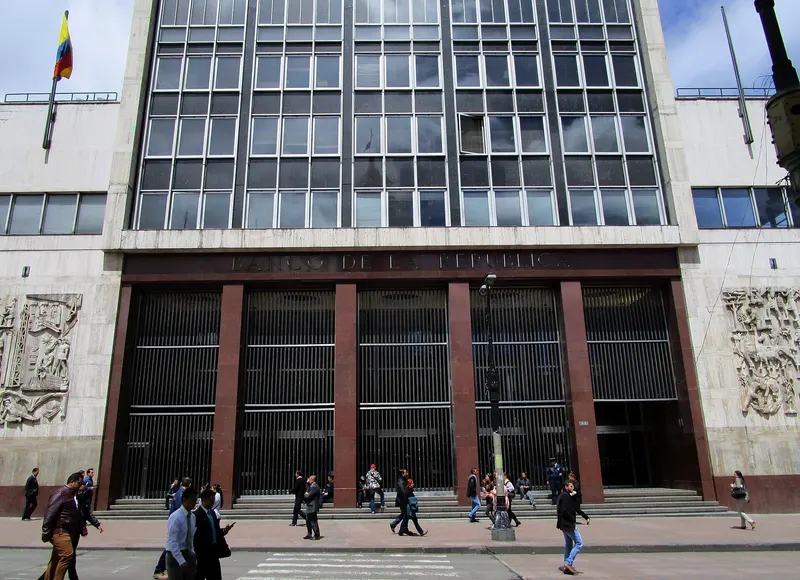
The letters DTF show up constantly in loan and CDT contracts, almost always paired with a "+ points" — for example, "DTF + 4%." But rarely does anyone explain exactly what that number is. The DTF is a benchmark rate of the Colombian financial system, not a product you contract directly.
What the DTF is
DTF stands for "Depósito a Término Fijo" (Fixed-Term Deposit), though in practice the name is used for the interest rate that results from averaging what Colombian banks pay on that type of deposit. In simple terms: the DTF sums up, in a single number, how much short-term money is costing the financial system that week.
This figure changes every week — what you see here is the value in effect at the close of September 2026. Before using it for any calculation, confirm the current value on the Banco de la República's official site. These are Colombian figures, set by Colombia's central bank — don't confuse them with a benchmark rate from your own country.
Who calculates it and how
The Banco de la República collects the data reported by banks, financial corporations, and financing companies on what they actually paid that week to raise money through 90-day CDTs. From that data it calculates a weighted average by amount raised — not a simple average across entities, but one that weights the larger players in the system more heavily.
The result is published weekly and stays in effect for the following week. That's why economic reports almost always show the DTF alongside the exact week it corresponds to.
What it's used for
Fixed vs. variable DTF on a loan or CDT
If your loan or CDT is set at a fixed rate, the DTF doesn't affect you directly: you already know in advance how much you'll pay or receive. Things change when the product is indexed to the DTF: then, every time the DTF moves, your installment or your return adjusts at the next rate review (usually periodic, as agreed in the contract). That's why, before signing a DTF-indexed product, it's worth asking how often the rate is updated in your specific case — that varies from contract to contract and is worth confirming directly with your lender.
The DTF and other benchmark rates
The DTF isn't the only benchmark rate in Colombia. There's also the Interés Bancario Corriente (IBC — Current Banking Interest Rate), which the Superintendencia Financiera (Colombia's financial regulator) uses as the basis for calculating the usury rate — the legal interest ceiling. These are different indicators, calculated by different entities (the Banco de la República for the DTF, the Superintendencia Financiera for the IBC), so they shouldn't be confused or used interchangeably when comparing financial products.
Why it matters even if you don't have an indexed loan
Even if none of your financial products are tied to the DTF, it's useful as a general reference: when the DTF rises, it's usually a sign that money is getting more expensive overall in the economy, and when it falls, that it's getting cheaper. It's a quick way to see where the cost of credit in the country is heading without checking dozens of different indicators. And because it's calculated from what entities actually pay to raise money, it tends to move in the same direction as the rest of the financial system's rates — when you see the DTF rising, it's reasonable to expect other interest rates to also be rising or about to.
This is general financial information, not personalized financial or tax advice for your situation.
Frequently asked questions
Is the DTF the same as my CDT's interest rate?
Not necessarily. Your CDT might have a fixed rate with no direct link to the DTF, or it could be indexed to the DTF (DTF + points), in which case it does move along with it.
How often does the DTF change?
It's calculated and published every week, almost always on Fridays, and stays in effect for the following week (Monday through Sunday).
Where do I check the current DTF value?
On the official site of the Banco de la República, the entity that calculates and publishes it every week.
If my loan is indexed to the DTF, can I know in advance how much my installment will rise?
Not exactly, since it depends on how the DTF moves in the future. You can ask your lender how often the rate is reviewed in your specific contract, to anticipate when a change would be reflected.
Keep reading
 BudgetingHow to build a personal budget (the 50/30/20 method and alternatives)What the 50/30/20 method is for budgeting your income, what other methods exist, and how to choose a general framework for organizing your finances.
 CreditHow your credit card works: statement dates, limit, and minimum paymentWhat the statement closing date, payment due date, minimum payment, and credit limit mean on a Colombian credit card, and how they affect your score.CreditConsumer credit vs. free-investment loans: the real differencesHow consumer credit and free-investment loans differ in Colombia, and what to check before choosing one.